
Roofing services
Full-service roofing, approached with evidence.
A roof functions as an integrated system requiring precise observation and methodical care. From isolated leak tracing to comprehensive material replacement, our approach centers on understanding the underlying structural conditions. We evaluate the relationship between surface materials, drainage pathways, and underlying architecture to determine the most appropriate intervention for each specific building.
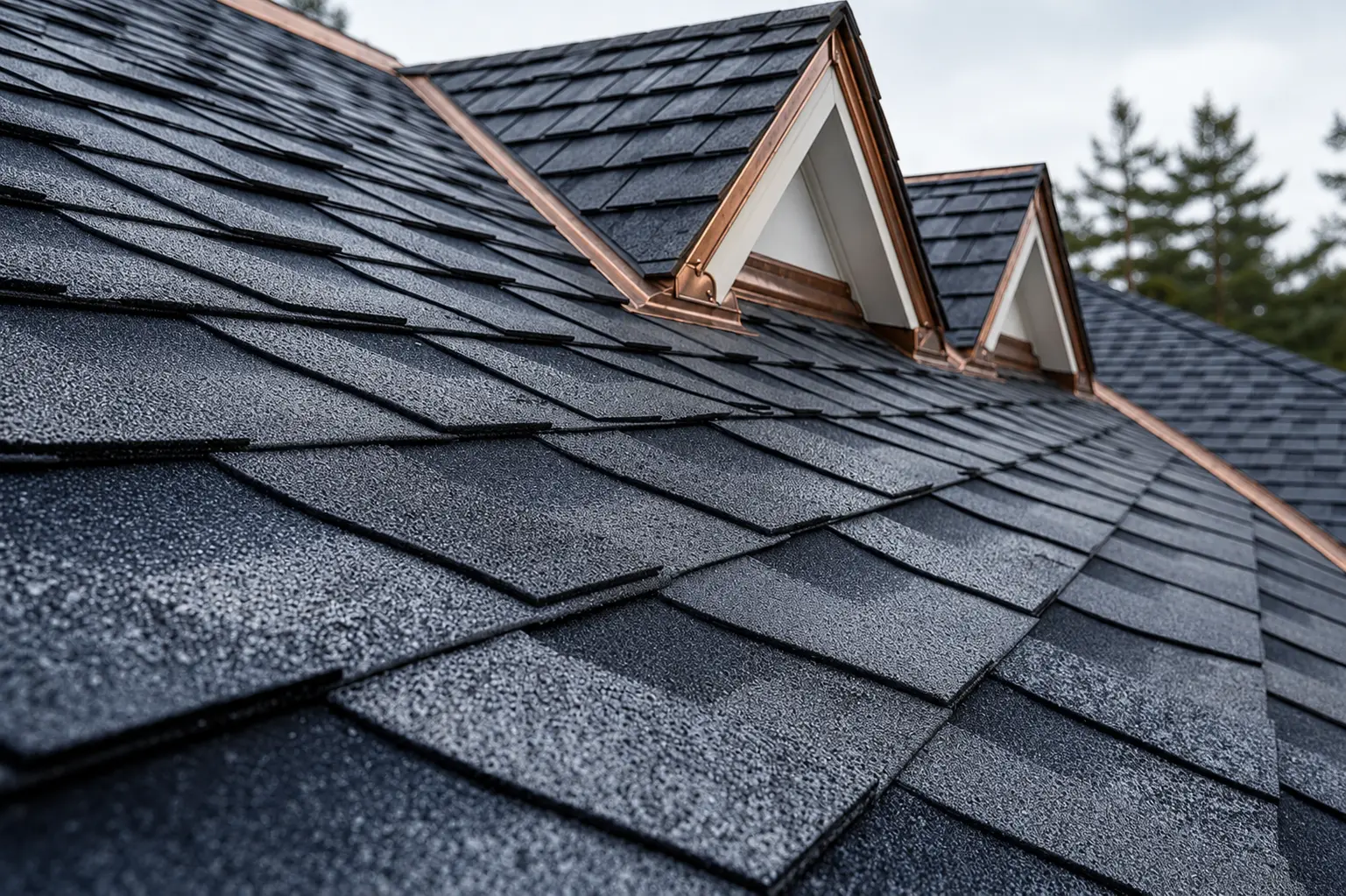
Comprehensive roofing solutions guided by structural observation and careful diagnosis.
Recognizing the signs of structural and material wear across roofing systems.
Visible symptoms establish where the investigation begins. They do not, by themselves, define the responsible repair or replacement scope.
Surface Material Degradation
Asphalt shingles and flat membranes naturally weather over time, presenting as granular loss, blistering, or cracking that compromises the primary defensive layer against environmental exposure.
Moisture Infiltration Pathways
Water intrusion often originates far from the visible interior symptom, requiring careful tracing along structural lines, flashing intersections, and drainage slopes to locate the true entry point.
Drainage System Inefficiencies
Gutters and downspouts must maintain precise slopes and clear channels; when compromised, water accumulates and redirects toward vulnerable architectural transitions, accelerating wear on adjacent materials.
Structural Decking Vulnerabilities
Prolonged moisture exposure can compromise the underlying decking, creating subtle deflections or soft areas that undermine the integrity of the entire roofing assembly above it.
Assessment before assumption.
Methodical evaluation of roofing assemblies and architectural drainage patterns.
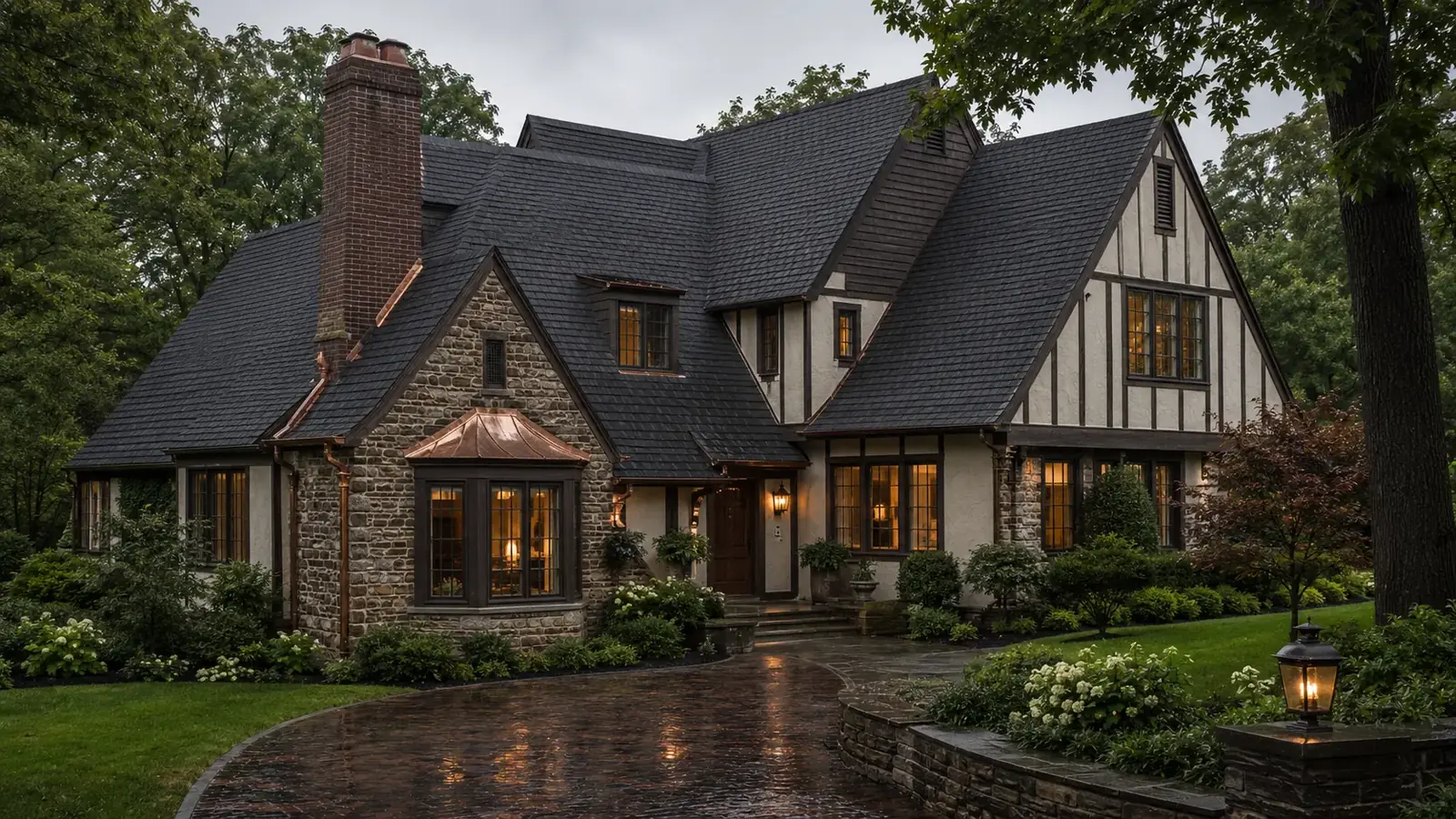
Visual Surface Inspection
We observe the exterior condition of shingles, membranes, and flashing to identify immediate material vulnerabilities and weathering patterns.
Interior Moisture Tracing
Examining attic spaces and interior ceilings allows us to track water movement backward from the visible symptom to the exterior source.
Flashing and Transition Review
Critical intersections around chimneys, vents, and parapets are evaluated for sealant degradation and mechanical separation that invite moisture.
Drainage Pathway Analysis
We assess the functional flow of gutters and scuppers to ensure water is efficiently directed away from the building envelope.
Core Assembly Evaluation
When necessary, we examine the underlying decking and insulation layers to determine if systemic deterioration requires broader intervention.
Recommend
Determining the appropriate scale of intervention for roofing systems.
How assessment informs scopeThe distinction between repair and replacement hinges on the extent of material degradation and the integrity of the underlying structure. Isolated damage often permits targeted repairs, while widespread weathering or systemic decking compromise typically necessitates a complete assembly replacement to restore functional reliability.
Our methodology prioritizes responsible scope definition, recommending interventions that align with the current condition of the architectural envelope. By carefully diagnosing the root cause of vulnerabilities, we ensure that the chosen approach provides a measured, structurally sound resolution without unnecessary expansion of work.
The service hub is a map. The condition-specific page is where the repair, material, or property context is explained in full.
Answers connected to this roof condition.
General guidance helps frame the assessment. The recommendation still depends on the materials, transitions, access and evidence at the property.
Initiate a methodical assessment of your roofing system.
Begin the process of addressing your roofing concerns with a careful, evidence-based evaluation. We will observe the current conditions, diagnose underlying vulnerabilities, and recommend a measured approach to restore the integrity of your building envelope.